

Massage Therapist Techniques for Athletes: Enhancing Performance
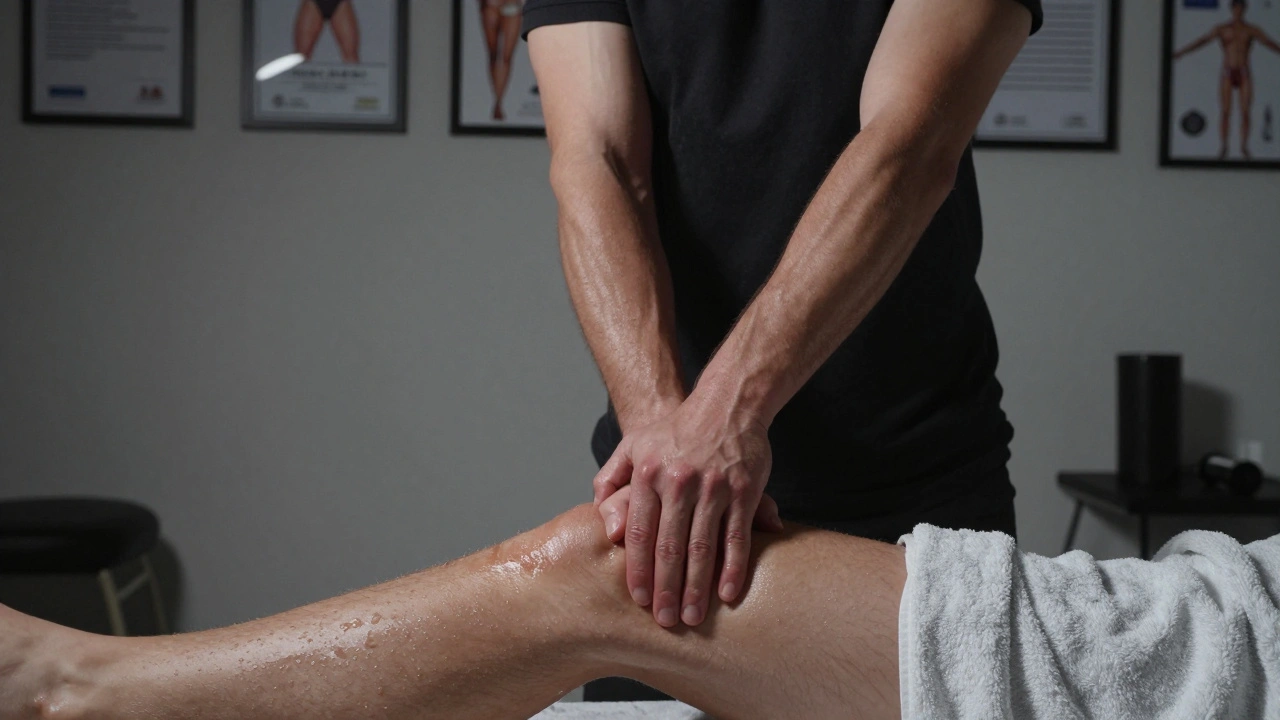
Let’s cut through the BS. You’re not here for a spa day. You’re here because your legs feel like they’ve been run over by a truck after a 10-mile sprint, or your shoulders are locked up like a rusty gate after a brutal weight session. You want to move again. You want to hit hard tomorrow. And you need someone who knows how to pry open your muscles without turning you into a sobbing mess on the table.
What is a sports massage? It’s not rubbing lotion into your back while soft jazz plays. It’s targeted, brutal, and efficient. Think of it as a mechanic’s wrench for your body. A trained massage therapist doesn’t just knead - they dissect. They find the knots that feel like marbles under your skin, the adhesions that turn your hamstrings into steel cables, and they break them loose with precision. This isn’t relaxation. This is repair.
How to get it? (And where to find someone who won’t waste your time)
You can’t just walk into any massage parlour and expect results. Most places in London are set up for couples on date nights, not athletes trying to bounce back from a 5K race. You need someone who’s worked with real athletes - not just read a pamphlet on trigger points.
Look for therapists with certifications from the Sports Massage Association (SMA) or British Association of Sport and Exercise Medicine (BASEM). Ask if they’ve worked with runners, rugby players, or even elite gym-goers. If they say, “I’ve massaged a lot of office workers,” walk out. That’s not your guy.
Price? In London, a 60-minute session runs £70-£120. Yeah, that’s steep. But compare it to a physio appointment - £150 for 30 minutes, with a 3-week waiting list. Or worse - paying for a cortisone shot that only masks the pain while the tear gets worse. A good sports massage? It fixes the root. And you’ll feel it the next day.
My go-to? A therapist named Liam in Clapham. He used to work with a semi-pro football team. He doesn’t smile much. He doesn’t ask how your week was. He just says, “Breathe,” and then he digs in. I’ve had sessions where I cried. Not from pain - from relief. It was like my body finally exhaled after holding its breath for months.
Why it’s popular? (And why it’s not just for pro athletes)
Everyone thinks this is for Olympians. Nope. It’s for the guy who does CrossFit 5 days a week and still thinks he’s 25. It’s for the weekend warrior who just ran a marathon and now can’t tie his shoes. It’s for the guy who’s been sitting at a desk all week and then went full beast mode in the gym on Saturday.
The rise? Simple. People are getting smarter about recovery. They’re not just taking ibuprofen and hoping it goes away. They know pain isn’t a badge of honor - it’s a warning. And massage? It’s the cheapest, fastest, non-drug way to reset your nervous system.
Studies from the Journal of Athletic Training show athletes who get regular sports massage recover 30% faster than those who don’t. That’s not a guess. That’s data. And it’s not magic. It’s science. Massage increases blood flow, flushes out lactic acid, and breaks up scar tissue that forms after micro-tears. Your muscles don’t heal faster because you’re “relaxed.” They heal faster because you’re removing the physical barriers to healing.
Why it’s better than foam rolling, ice baths, or stretching
Let’s be real - foam rolling feels like being attacked by a hedgehog. Ice baths? You’re basically freezing your nuts off for 10 minutes while wondering if you’ll ever feel your toes again. Stretching? Great, if your muscles aren’t glued shut.
Sports massage beats all of them because it’s active. It doesn’t just cool you down or stretch you passively - it reconstructs. A therapist uses their hands, elbows, forearms - even knuckles - to apply pressure that’s impossible to replicate with a roller. They can target deep layers of fascia, tendons, and muscle bellies you didn’t even know had knots.
Here’s a real example: I had a runner come in last month. He’d been limping for 6 weeks. Said his IT band felt like a rubber band pulled too tight. Foam rolling? Nothing. Stretching? Painful. Ice? Cold comfort. I sent him to Liam. One 75-minute session. He was running again in 48 hours. No meds. No injections. Just pressure. That’s power.
What emotion will you get? (It’s not just relief - it’s euphoria)
Here’s the secret: you don’t just feel better physically. You feel reborn.
After a deep session, your body releases endorphins - your brain’s natural high. But it’s not just a “feel-good” buzz. It’s deeper. It’s the kind of calm that comes when your nervous system finally stops screaming. Your heart rate drops. Your breathing slows. You feel lighter. Like you’ve shed a second skin.
Some guys say it’s like sex. Not because it’s erotic - but because it’s a full-body release. The same neurochemical cocktail floods your system. Dopamine. Serotonin. Oxytocin. You feel connected. Grounded. Alive.
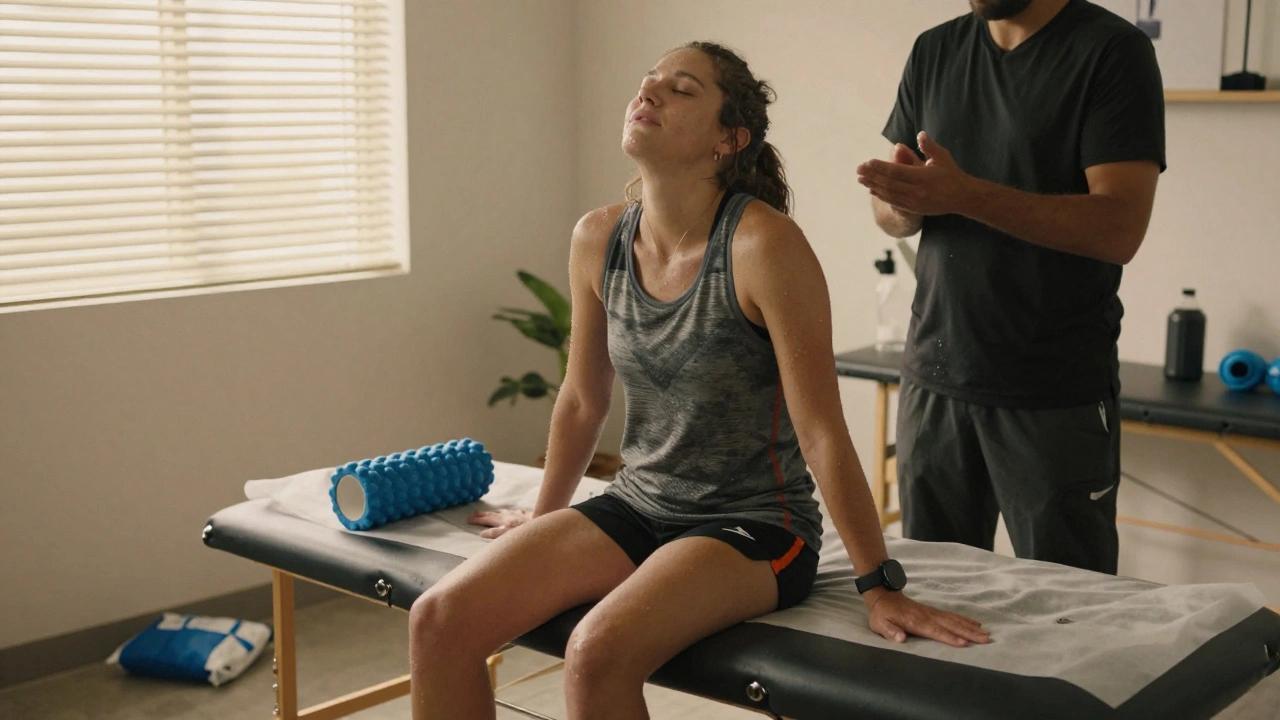
I remember one session after a brutal 3-day training block. I was sore everywhere. My lower back was screaming. Liam started on my glutes. First touch - I grunted. Third - I groaned. Fifth - I went silent. Then, 15 minutes in, I felt this wave. Like a hot wave of liquid gold pouring down my spine. I didn’t cry. I didn’t laugh. I just… exhaled. And for the first time in weeks, I felt like my body was mine again.
That’s the emotion. Not pleasure. Not arousal. Reclamation.
How often should you go? (And when to skip it)
For serious athletes? Once a week. For weekend warriors? Every 2-3 weeks. If you’re injured? Twice a week until the pain drops by 50%.
But don’t go right after a max-effort workout. Wait 24-48 hours. Your muscles need to cool down first. Go too soon, and you’ll just inflame them more.
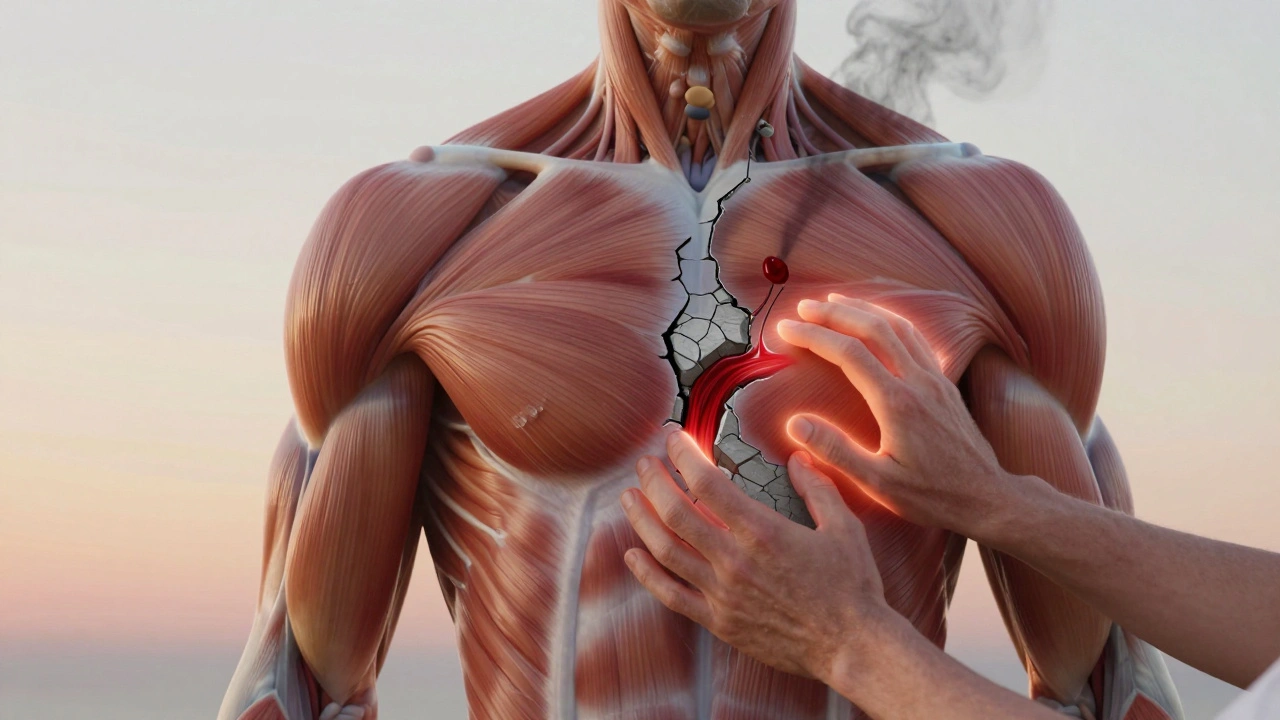
And skip it if you have an acute injury - a torn muscle, a sprained ankle, or an inflamed joint. That’s not massage territory. That’s a physio’s job. Massage is for maintenance. For recovery. For getting back to the grind. Not for fixing broken bones.
What to expect during your first session
You’ll fill out a form. They’ll ask about your training, injuries, pain points. Don’t lie. Don’t downplay. If your hip clicks every time you squat - say it. If your left quad feels like it’s been stapled shut - tell them.
They’ll use oil or lotion. Not the fancy lavender crap. Something slick, non-greasy. You’ll be draped. Always. No nudity unless you’re cool with it - and most therapists won’t even ask. You’ll be on a table. They’ll start with broad strokes, then zero in. You’ll feel pressure. Deep. Uncomfortable. Sometimes unbearable. But it should never feel sharp. If it does, speak up. A pro will adjust.
After? You’ll feel tired. Maybe even a little nauseous. That’s normal. Your body’s detoxing. Drink water. Don’t go straight to the pub. Wait 24 hours. Then? You’ll move like you’ve had a second chance.
And that’s the whole point.