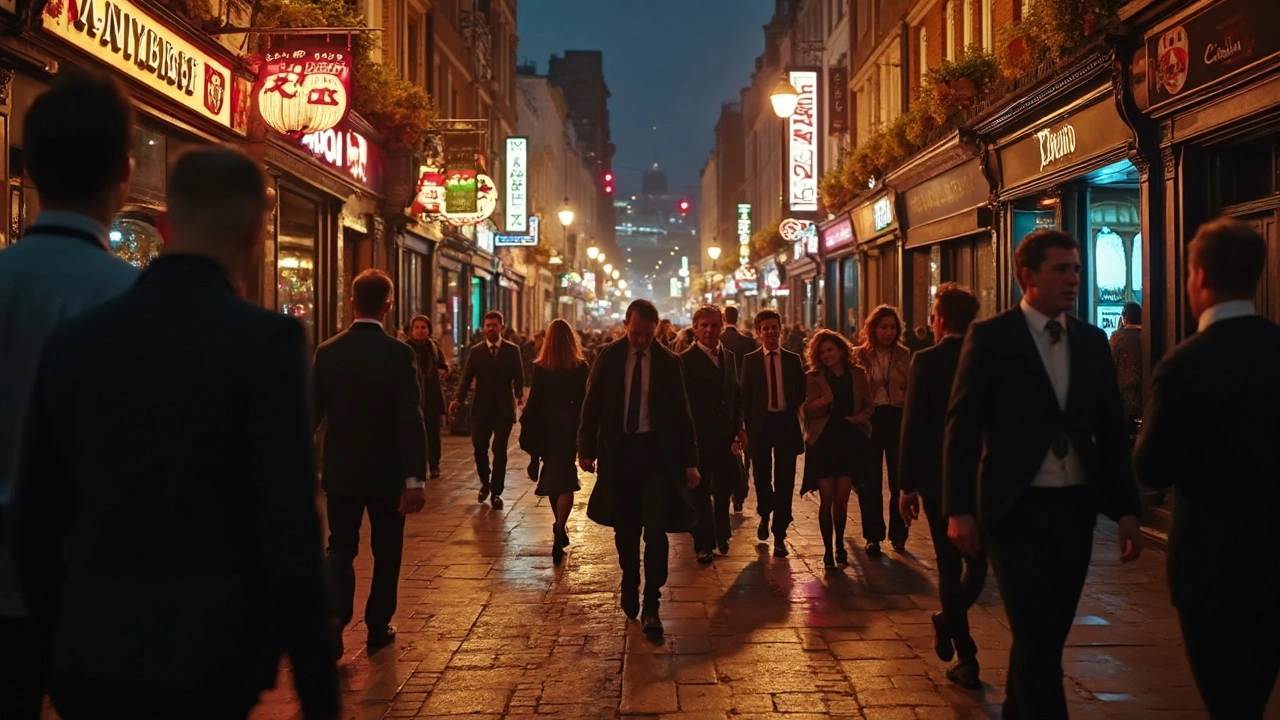

The Power of Sports Massage in London: Transforming Athletic Care
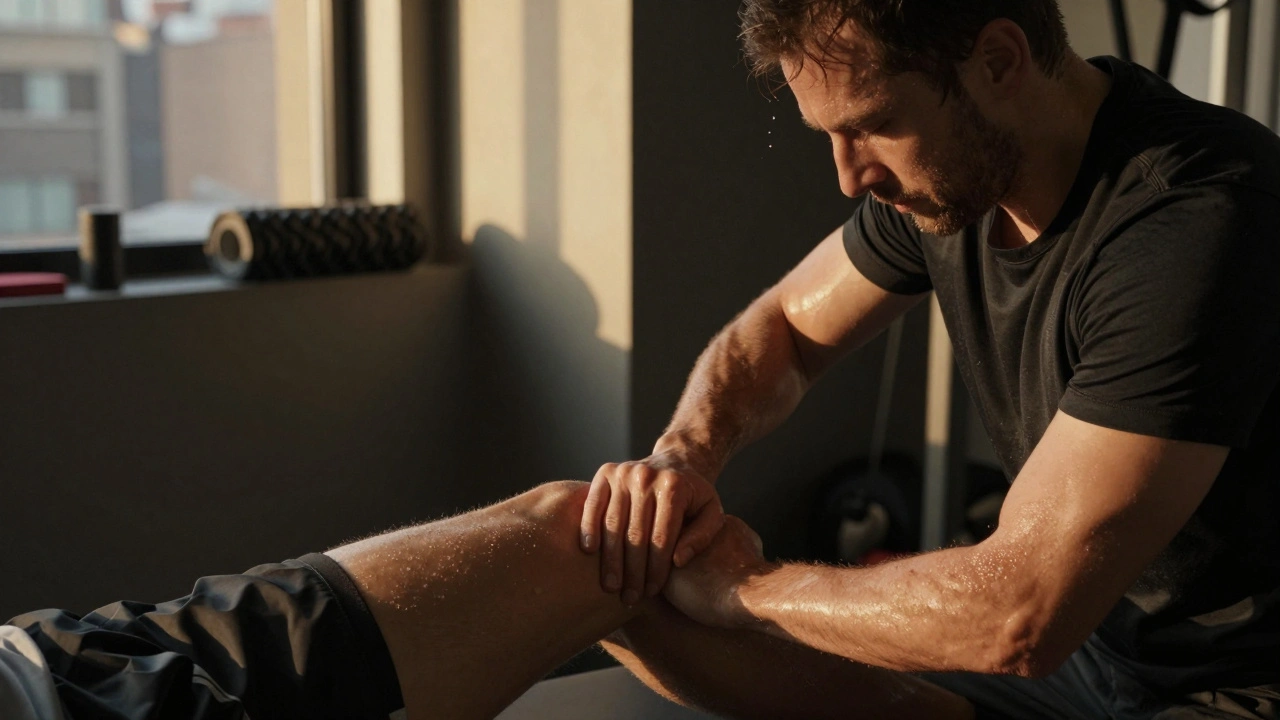
Let me cut through the bullshit right now - if you’re training hard in London and not getting regular sports massage, you’re leaving gains on the table. And maybe even risking your next race, game, or gym PR. I’ve been lifting, sprinting, and playing rugby here for over a decade. I’ve tried ice baths, foam rollers, compression boots, even those weird vibrating pads they sell on Instagram. None of them come close to what a skilled therapist can do with their hands - especially when they know how to find the knots you didn’t know you had.
What the hell is sports massage?
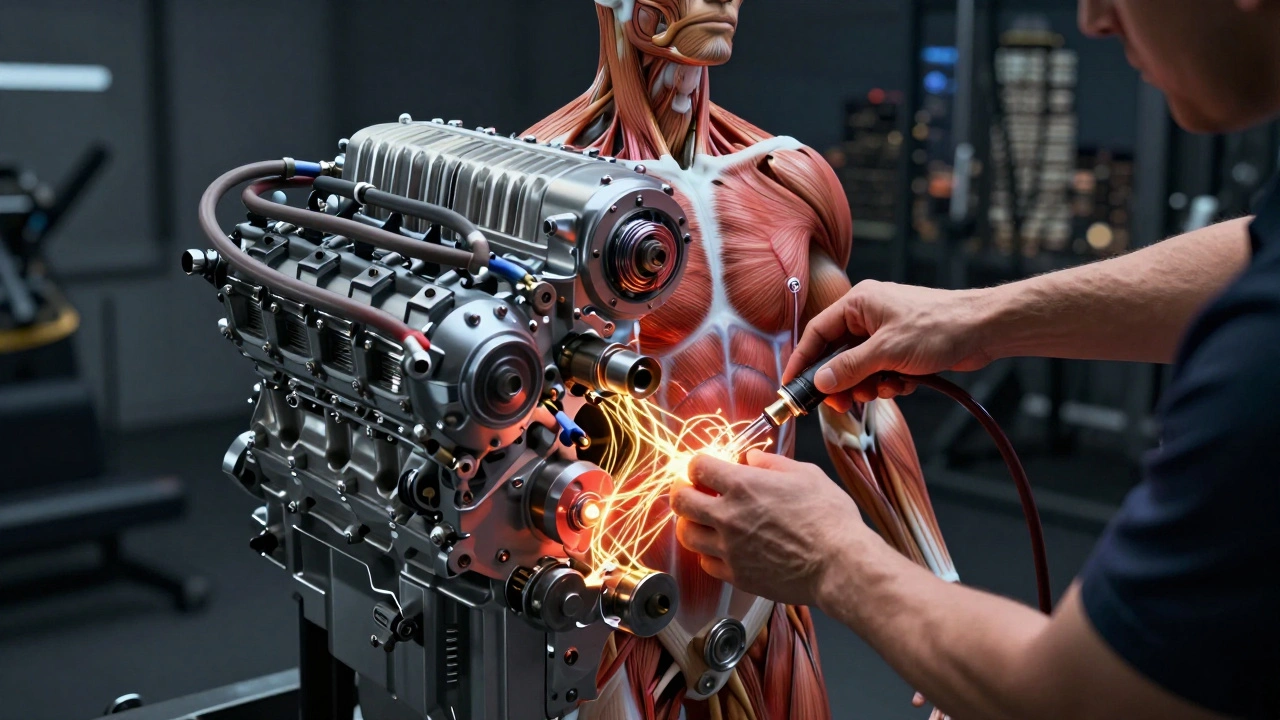
Sports massage isn’t your grandma’s Swedish relaxation rub. It’s not about lavender candles and soft music. This is deep, targeted, sometimes painful work designed to tear down adhesions, flush out lactic acid, and wake up muscles that have gone to sleep from overuse. Think of it like tuning a high-performance engine. You don’t just change the oil - you crack open the hood, clean the injectors, and reset the timing. That’s what sports massage does for your body.
It’s not just for pro athletes either. If you run five days a week, hit the weights religiously, or play weekend football in a local league, your body is taking punishment. And if you’re not repairing it properly, you’re just building up damage. I’ve seen guys in their 30s and 40s with chronic hamstring tightness, lower back pain, or shoulder impingement - all because they thought stretching was enough. Spoiler: it’s not.
How do you actually get it in London?
You’ve got options. But not all are created equal.
First, you can go to a physio clinic. Places like London Sports Physio or Bodyworks Clinic in Shoreditch or Wimbledon. These are legit. Therapists here are HCPC-registered. They’ll assess your movement, take photos, maybe even use ultrasound to map your muscle tension. Sessions run £85-£120 for 60 minutes. Worth it if you’re injured or rehabbing.
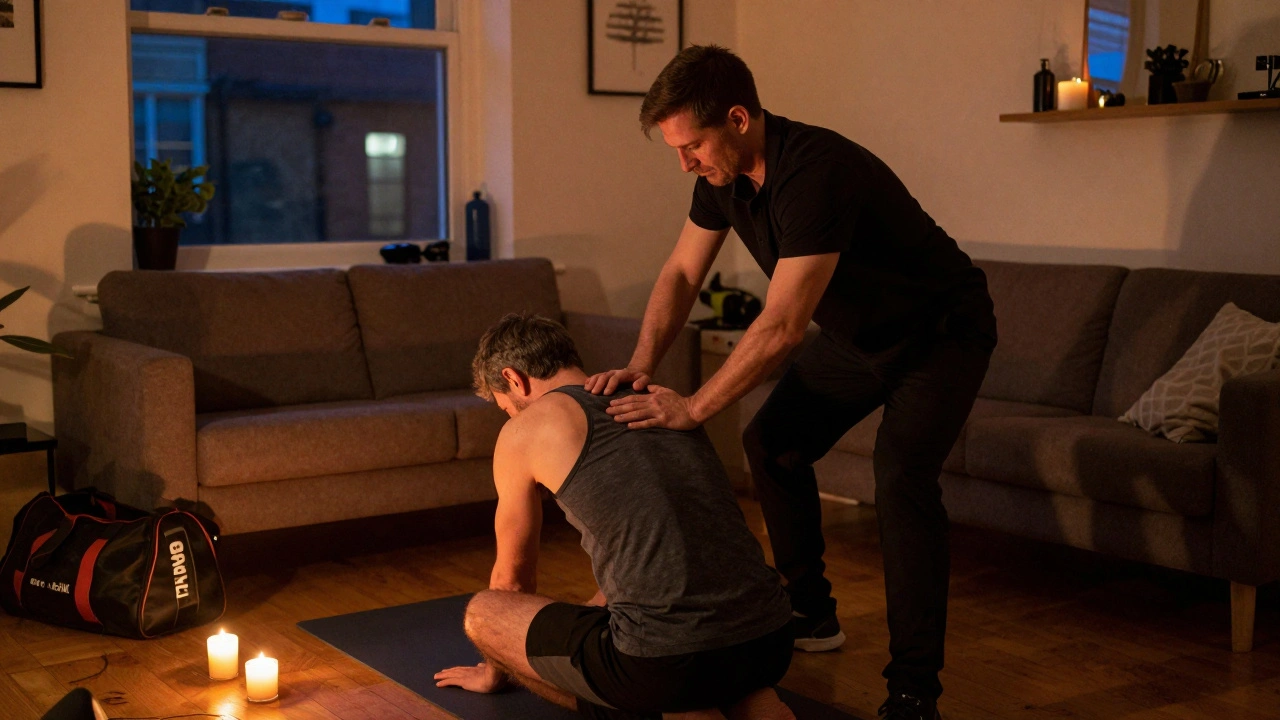
Then there’s the mobile option. I’ve booked therapists through MassageBook and Urban Sports Club apps. You pick your time, your location - home, gym, even after a pub crawl. Prices? £70-£90 for an hour. Some charge extra for weekend slots. I’ve had a therapist show up at my flat at 11 p.m. after a 5k race. No judgment. Just hands on fire.
And then - the dark horse - private therapists. These are the ones you find through word of mouth. The ones who don’t advertise. They work out of spare rooms in Clapham or Brixton. No clinic fees. No overhead. Their rate? £60-£75. You won’t find them on Google. You’ll hear about them from the guy at the gym who doesn’t talk much… until you ask why his deadlifts are suddenly 40kg heavier.
Why is it so damn popular?
Because Londoners are obsessed with performance. We don’t just want to look good - we want to feel good. We want to run faster, lift heavier, recover quicker. And we’re willing to pay for it.
There’s a reason why every personal trainer in London now recommends sports massage. It’s not a luxury. It’s a tool. Like protein powder or sleep trackers. You don’t need it to survive - but if you want to thrive, you ignore it at your peril.
I’ve been to gyms where the whole team gets a massage once a week. Not because they’re pros - because they’re smart. One guy I know, a 42-year-old dad who runs marathons, told me he skipped his massage last month. Guess what? He pulled his quad on mile 18. He’s back on the table now. Twice a week. No questions asked.
Why is it better than other recovery methods?
Let’s compare:
- Foam rolling: Feels good for 10 minutes. Helps a bit. But you can’t reach deep layers. You’re just scratching the surface.
- Ice baths: Reduce inflammation. Good for acute injury. Useless for chronic tightness. Feels like torture. And you still feel stiff the next day.
- Stretching: Important. But if your muscles are locked in a spasm, stretching just makes them scream.
- Compression gear: Helps circulation. Doesn’t break up scar tissue.
- Sports massage: Breaks adhesions. Releases trigger points. Improves blood flow. Speeds recovery. Reduces soreness. And yes - it feels like hell while it’s happening. But afterward? You feel like you’ve been reset.
I’ve done them all. Only one left me feeling like I could run another 10 miles. That’s the one you want.
What kind of release can you expect?
Here’s the truth: sports massage doesn’t just fix your body - it rewires your nervous system.
First session? You’ll feel sore. Like you did a brutal leg day. That’s normal. The therapist is working on tissues that haven’t been touched in months - maybe years.
Second session? You’ll notice your hips don’t click when you squat. Your hamstrings don’t cramp during sprints. Your shoulders don’t lock up when you bench.
Third session? You’ll feel something you didn’t even know you were missing - fluidity. Like your body finally remembers how to move without resistance. It’s not just physical. It’s mental. You stop overthinking your form. You stop holding your breath. You just move.
And then - the best part - you get that post-massage glow. Not the kind you get from a sauna. The kind you get when your body says, “Hey, we’re not broken. We’re fine. We’re strong. We’re ready.”
I’ve had guys cry after a session. Not because it hurt. Because they hadn’t felt this free in years. One guy, a former rugby player, told me he hadn’t slept without pain since his injury in 2019. After three massages? He slept through the night. For the first time in seven years.
Who should skip it?
Anyone with open wounds, recent surgery, or acute inflammation. Don’t roll up to a therapist with a swollen ankle from last night’s game. Wait 48 hours. Or go see a physio first.
Also - if you’re not ready to be honest about your training, your sleep, your diet, or your stress levels - this won’t work. A massage therapist isn’t a magician. They’re a detective. And if you’re lying about how often you train or how much you drink, they’ll know. And they’ll still fix you - but you’ll just come back next week.
Final word: Don’t wait until you’re broken
London is full of people who train hard. But only the smart ones recover smarter. Sports massage isn’t about pampering. It’s about performance. It’s about staying in the game longer. Playing harder. Recovering faster.
I’ve had therapists tell me, “You’re not an athlete. You’re a machine that needs tuning.” And they’re right.
Book your next session before you hurt. Don’t wait for the twinge. Don’t wait for the niggle. Don’t wait for the injury.
Because in this city - where the streets are paved with ambition - the difference between good and great isn’t talent.
It’s recovery.