
Understanding the Pressure Points in Swedish Massage: What Really Happens When Your Body Lets Go
Let’s cut the crap. You’ve seen the ads. The soft lighting. The candles. The whispery music. And you’re thinking, Is this just a fancy way to get touched? Nah. Swedish massage isn’t about flirting with the therapist-it’s about your body screaming for release, and someone finally listening.
What the hell is Swedish massage, really?
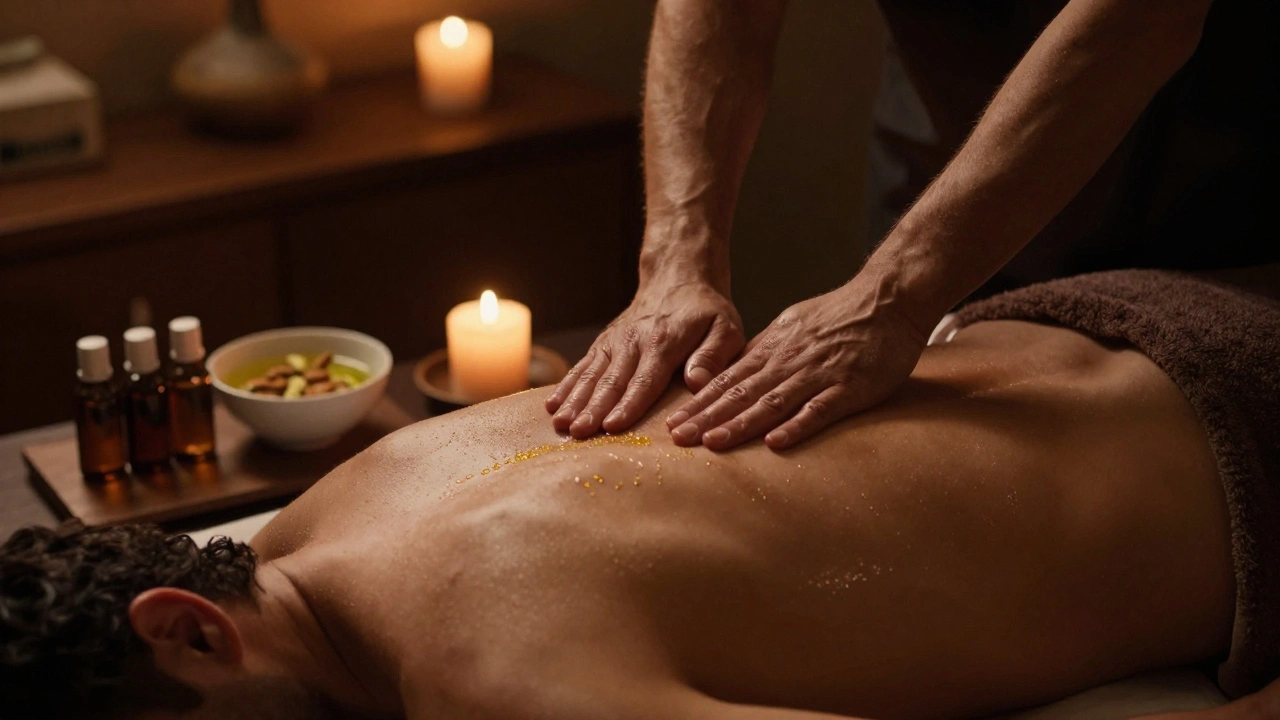
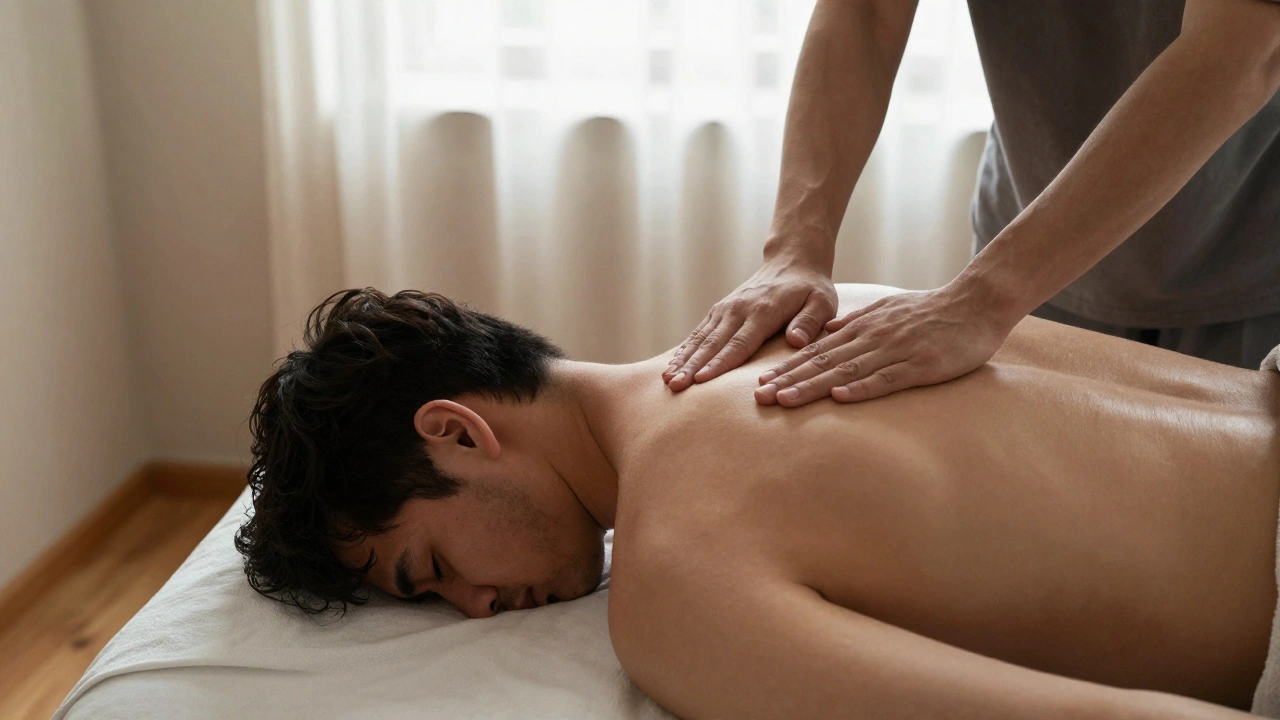
Swedish massage isn’t some mystical ritual. It’s the OG of massage therapy. Developed in the 1800s by a Swedish physiotherapist named Per Henrik Ling, it’s basically a systematic way to melt tension out of your muscles using five core moves: effleurage (long gliding strokes), petrissage (kneading), friction (deep circular pressure), tapotement (rhythmic tapping), and vibration. No tantra. No oils that smell like a yoga retreat in Bali. Just clean, deliberate pressure applied to the right spots.
And here’s the kicker-pressure points are where the magic happens. Not the ones you see in martial arts movies, but the real ones: the knots in your trapezius that feel like a marble buried under your skin, the tightness in your hip flexors from sitting at a desk for eight hours, the ghost of that bad squat from three years ago still haunting your hamstrings.
I’ve had over 60 massages across Europe-from Berlin backrooms to Lisbon studios. Most were crap. But the good ones? They didn’t just rub. They located. Like a detective finding a clue in a crime scene. One therapist in Prague felt the tension in my L4-L5 and didn’t even ask. Just pressed. And I swear, my spine sighed.
How do you actually get it right?
You don’t walk into a spa and say, “Do the Swedish thing.” That’s like ordering a burger and saying, “Just make it tasty.” You need specifics.
- Look for a therapist with at least 500 hours of certified training. Check if they’re registered with the Complementary and Natural Healthcare Council (CNHC) in the UK. No certification? Walk out.
- Ask: “Do you use deep tissue techniques within Swedish?” If they say no, they’re just doing a spa fluff job.
- Book a 75-minute session, not 50. Anything less is a tease. You need time to unwind the layers. I once did a 30-minute “relaxation” massage in Amsterdam. Felt like a cat licking my back. Wasted £45.
- Price range? In London, expect £60-£90 for a 75-minute session. Outside the city? £45-£70. In Bristol? I get mine for £55 at a quiet studio near Clifton. No frills. Just hands that know their shit.
Pro tip: Don’t go right after a heavy night. Your body’s already in damage control mode. Go on a Wednesday afternoon. Quiet. No rush. You’ll feel it deeper.

Why is this so damn popular?
Because it works. And it doesn’t require you to take off your pants.
Unlike deep tissue or Thai massage, Swedish doesn’t hurt. It doesn’t leave you limping. It doesn’t make you cry. It just… undoes you. The pressure is firm but forgiving. The rhythm is slow, like a heartbeat. And when they hit that trigger point in your shoulder-oh god-it’s not pain. It’s relief. Like your muscles had been holding their breath for years and finally exhaled.
Studies show Swedish massage reduces cortisol (the stress hormone) by up to 31% and increases serotonin and dopamine. That’s not woo-woo. That’s science. You’re not getting a massage-you’re getting a chemical reset.
And here’s what most guys don’t admit: it’s the only time in the week they let someone else take control. No decisions. No emails. No pretending to be tough. Just lying there, breathing, feeling human again.
Why is Swedish better than the rest?
Let’s compare.
| Feature | Swedish | Deep Tissue | Thai | Hot Stone |
|---|---|---|---|---|
| Pressure Level | Firm, rhythmic | Intense, targeted | Active, stretching | Warm, soothing |
| Pain Factor | Low | High | Medium | Low |
| Time to Feel Results | Immediately | 24-48 hrs | Immediate | Immediate |
| Best For | Stress relief, circulation, recovery | Chronic pain, injuries | Flexibility, energy flow | Relaxation, cold weather |
| Post-Massage Fatigue | Minimal | High | Medium | Low |
Swedish wins because it’s the Goldilocks of massage. Not too hot, not too cold. Not too hard, not too soft. Just right. You walk out feeling like you’ve been unplugged from the grid. No bruises. No soreness. Just calm.
I once tried a Thai massage in Bangkok. The therapist bent me into a pretzel. I cried. Then I cried again because I couldn’t reach my own damn shoelaces for two days. Swedish? I walked out, grabbed a coffee, and texted my mate: “I’m not going to the gym today. I’m going to the park. And I’m going to feel the sun.”

What kind of high do you actually get?
You don’t get high like you do with weed. You get high like you do after a long swim in the sea. Or after sex with someone who really knows how to touch you.
It’s a deep, slow, full-body release. Your shoulders drop. Your jaw unclenches. Your breathing slows. And then-this is the part they don’t tell you-it hits you. A wave of warmth. Not sexual. Not emotional. Just… presence.
Your nervous system goes from fight-or-flight to rest-and-digest. Your heart rate drops. Your blood pressure eases. And for the first time in weeks, you’re not thinking about deadlines, bills, or that awkward thing you said at the office Christmas party.
Some guys say they cry. I didn’t. But I did stare at the ceiling for ten minutes after my last session, just breathing. Thinking: Why don’t I do this every week?
That’s the real high. Not euphoria. Not lust. Just peace. The kind that doesn’t come from a bottle or a screen. It comes from your body remembering it’s allowed to relax.
Final advice: Don’t treat it like a luxury. Treat it like medicine.
This isn’t a treat. It’s a necessity. If you sit all day. If you lift weights. If you carry stress like a backpack full of bricks-you need this.
Book it monthly. Maybe biweekly if you’re pushing hard. Don’t wait until you’re in agony. Don’t wait until your partner says, “You’re so tense, I can’t even hug you.”
Find a therapist who doesn’t talk too much. Who doesn’t ask about your childhood. Who just works. Who knows where the knots hide. Who doesn’t need your approval. Who just knows your body better than you do right now.
And when you lie there, eyes closed, feeling the pressure move through you like a tide-remember this: you’re not being pampered. You’re being repaired.
And that’s worth every penny.